Published: 5 December 2025 | By: Money Navigator Research Team
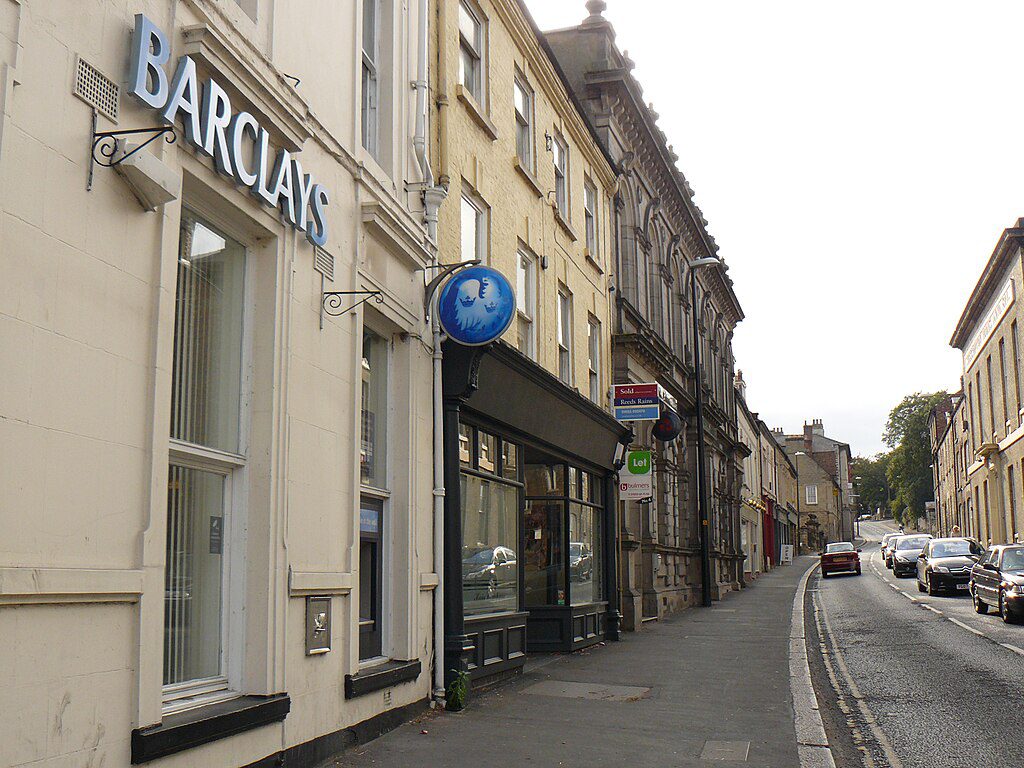
There was a time, not so long ago, when opening a business bank account meant putting on a suit, printing a business plan, and sitting in a leather chair at your local Barclays or NatWest branch to plead your case to a manager.
Those days are effectively dead.
New data from late 2025 suggests a permanent fracturing of the UK business banking landscape. While the “Big Four” (Barclays, HSBC, Lloyds, NatWest) still hold the lion's share of deposits, the growth has shifted decisively to the challengers.
Leading the charge is Tide. With over 400,000 members – roughly 1 in 8 UK small businesses – Tide has quietly become the default choice for the modern entrepreneur. But why? Is it just about flashy apps, or is the high street model fundamentally broken?
In this deep-dive analysis, the Money Navigator Research Team examines the Real Cost of Banking in 2025.
The Core Problem: “Computer Says No”
The primary driver of the exodus from high street banks isn't fees – it's friction.
For a traditional bank, a small business customer is often viewed as a cost burden. Regulatory requirements (KYC and AML) mean that onboarding a sole trader costs a bank hundreds of pounds in admin time. As a result, many high-street banks have simply stopped trying.
The “6-Week” Wait
Throughout 2024 and 2025, reports surfaced of entrepreneurs waiting 6 to 12 weeks just to get an appointment to open an account with a high-street lender. For a plumber who needs to be paid today, or a consultant starting a contract on Monday, that delay is fatal.
The “5-Minute” Revolution
By contrast, challengers like Tide and Starling built their infrastructure on automation.
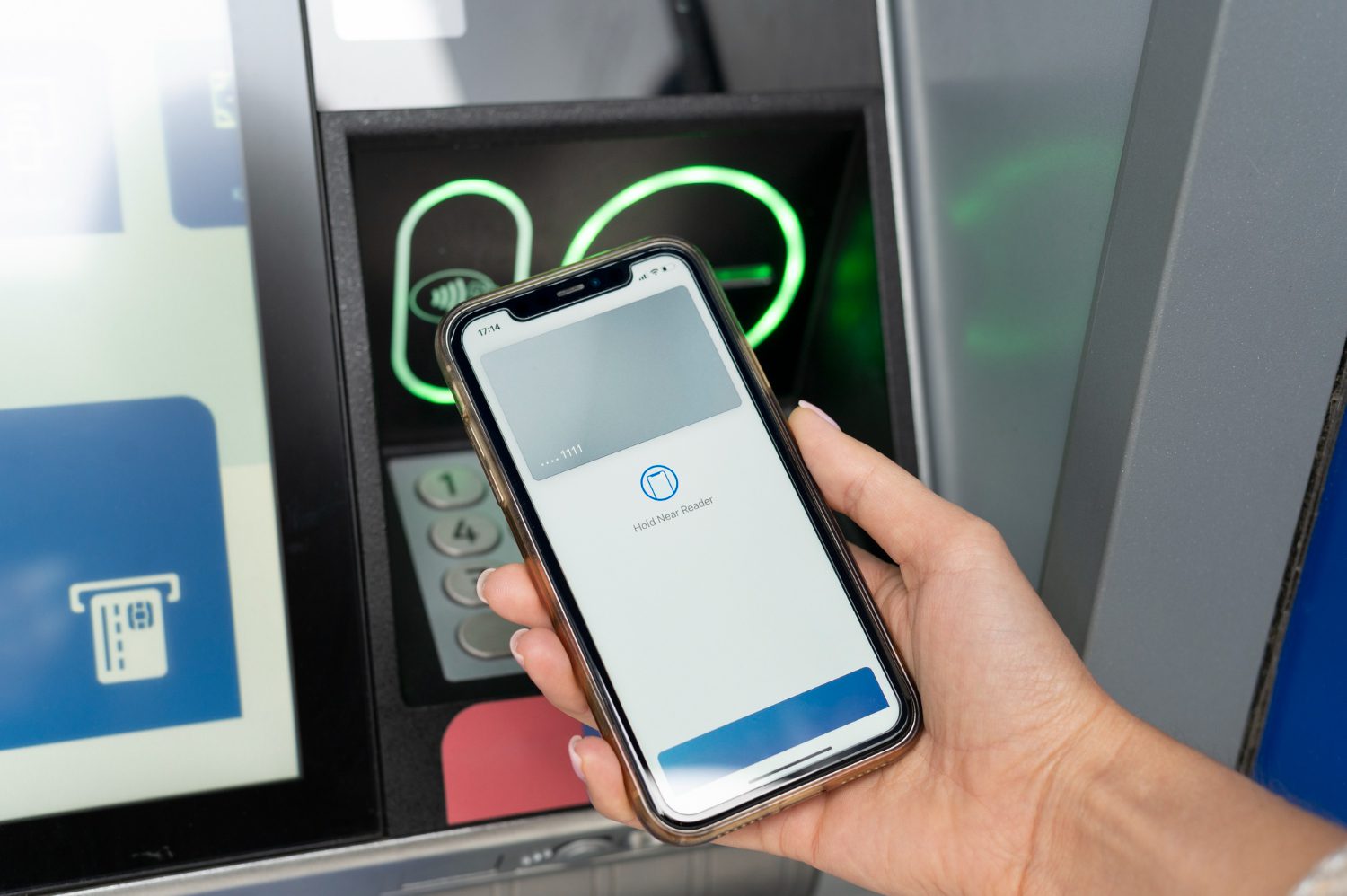
ID Verification: Done via selfie and passport scan in the app.
Company Checks: Automated via the Companies House API.
Result: 53% of Tide accounts are opened in under 10 minutes.
“The high street simply cannot compete on speed. Their legacy IT systems require manual intervention. Fintechs were built to bypass humans entirely for onboarding.” – Sarah Jenkins, Fintech Analyst at CityAM.
The Fee Structure: Pay-As-You-Go vs. Monthly Subs
The second major battleground is cost. High street banks have traditionally relied on “introductory offers” (e.g., 18 months free banking) followed by a steep cliff-edge where fees jump to £6–£10 per month plus transaction charges.
Tide flipped this model with a Pay-As-You-Go approach.
Monthly Fee: Often £6+ after the free period.
Transaction Fees: 30p–70p per electronic payment.
Cheque Fees: High charges for processing paper.
Tide Model (The “Transparent” Costs)
Monthly Fee: £0 (on the Free Plan).
Transfer Fees: 20p per transfer.
Card Fees: Free usage (Mastercard exchange rates).
For a freelancer making 5 transactions a month, Tide costs £1.00. A high street bank might cost £6.00. However, for a busy shop processing 500 transactions, Tide's 20p fee adds up (£100/month). This is where Tide’s subscription tiers (Plus and Pro) come in, offering free transfer allowances to cap the cost.
Compare Tide's PlansThe Rise of “Admin-Banking”
Perhaps the most overlooked reason for the switch is that modern accounts do more than just hold money. They are becoming Financial Operating Systems.
If you bank with HSBC, you likely have a bank app, an accounting app (Xero), and an expense app (Expensify). Tide integrates these:
Auto-Invoicing: Send professional invoices directly from the banking app.
Expense Cards: Issue cards to staff and set spending limits instantly.
VAT Management: Tag transactions as you go to estimate your tax bill.
For a sole trader doing their own admin on a Sunday night, these features save hours of data entry. The high street apps are catching up, but they are years behind in terms of UX (User Experience).
The Risk Factor: Is It Safe?
The number one objection we hear at Money Navigator is: “But where is the branch? What if they go bust?”
This is a valid concern. Tide is a fintech company, not a bank. However, the money is not held by Tide. It is held by ClearBank, a fully licensed UK clearing bank.
FSCS Protection: Because the funds are held at ClearBank, eligible deposits up to £85,000 are protected by the Financial Services Compensation Scheme (FSCS).
Solvency: Unlike a high-street bank that lends your deposits out to other customers (fractional reserve banking), e-money institutions typically safeguard 100% of client funds.
In many ways, the “Safe” option has shifted. Is it safer to be with a bank that has branches closing every week, or a digital provider that is growing year-on-year?
The Verdict: Who Should Switch?
The data is clear: the high street is losing the battle for the “Micro-Business” (1–10 employees).
Stick with the High Street If:
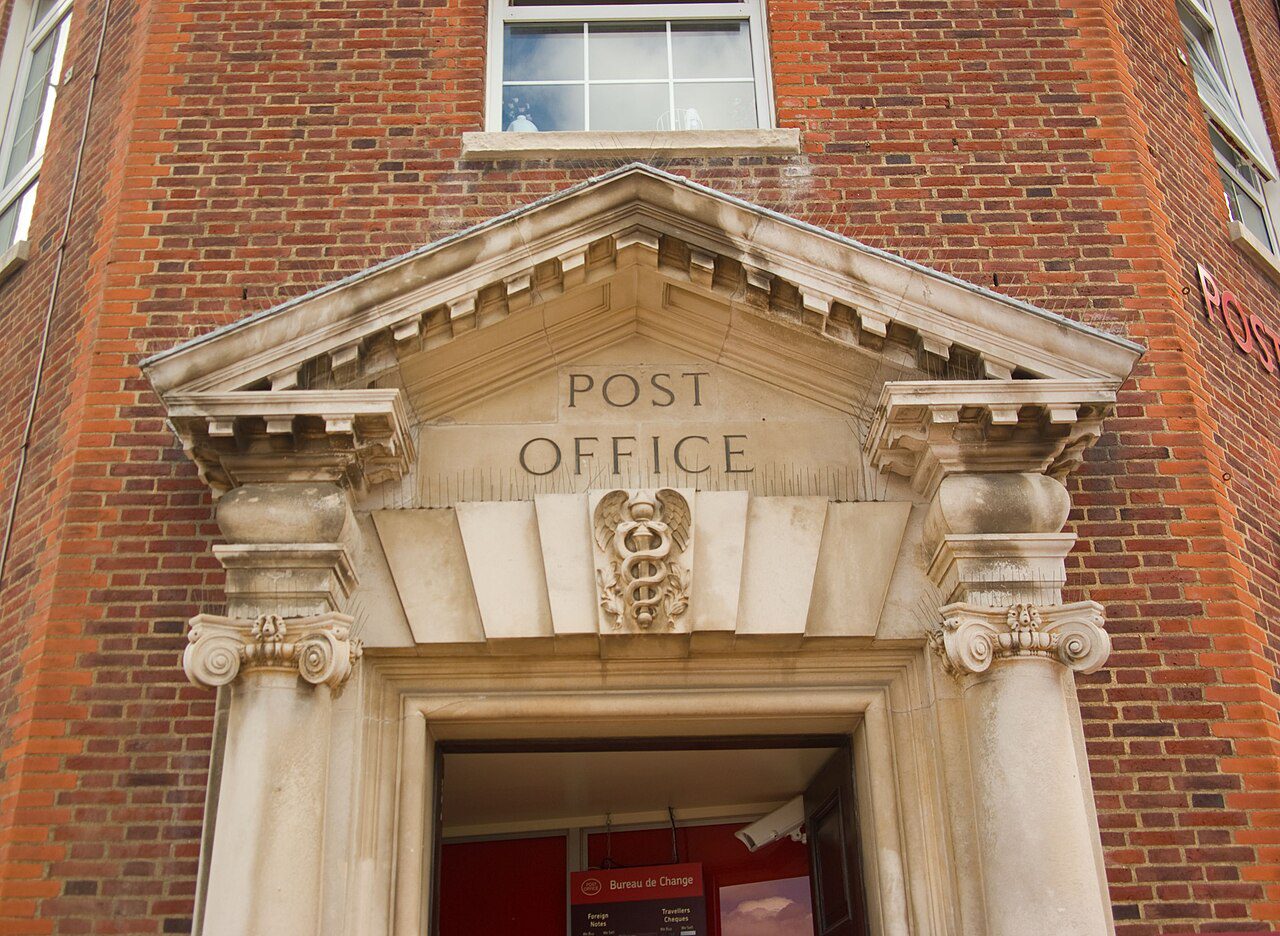
You deal in cash: If you deposit thousands of pounds in notes weekly, you need a branch. (Though Tide offers Post Office deposits, it costs money).
You need complex credit: If you need a multi-million pound trade finance facility, you need a relationship manager at Barclays or Lloyds.
You need to deposit Cheques: Traditional banks are still better for paper legacy systems.
Switch to Tide/Challengers If:
Speed is critical: You need an account number today.
You are digital-first: You get paid via bank transfer or Stripe.
You hate admin: You want your bank to talk to your accounting software automatically.
You have “Bad Credit”: Because they don't offer overdrafts, Tide performs Soft Credit Checks, making them far more accessible than risk-averse legacy banks.
Final Thoughts
The migration of 400,000 businesses to Tide is not a blip; it is a signal. Business owners are voting with their feet. They are rejecting the slow, bureaucratic processes of the past in favor of speed, transparency, and integration.
If your current bank still requires you to visit a branch to change your address or sign a mandate, you are paying for a service you no longer need.
Ready to make the switch?
You can open a Tide Business Account in minutes. No appointment needed.

Sources & References
[1] UK Finance: SME Banking Trends Report 2025.
[2] Tide: Member Growth Statistics Q3 2025.
[3] Competition and Markets Authority (CMA): Retail Banking Market Investigation.
Related Content