
By: Money Navigator Research Team
Last Reviewed: 08/01/2026
 FACT CHECKED
Quick Summary
UK banks don’t just collect documents for a business bank account – they verify them. Most onboarding is designed to confirm: who you are, who owns and controls the business, what the business does, and whether the activity matches expected risk. These checks sit under “Know Your Customer” and anti-money laundering obligations, reflected in industry guidance such as the JMLSG guidance.
In practice, banks typically check some combination of: photo ID, proof of address, business registration details, beneficial ownership and control, and evidence of trading (where relevant). They may also run sanctions screening against the UK Sanctions List and confirm a firm’s regulatory status via the FCA Financial Services Register where applicable.
Why banks check documents in the first place
Business bank account onboarding is largely about identity, legitimacy, and risk alignment. Banks have legal and regulatory duties to identify customers, understand ownership and control, and assess whether the account’s intended use makes sense for the business profile.
The UK’s industry standard reference point for how firms approach these checks is the JMLSG guidance.
This is also why two businesses applying for the same product can face different levels of scrutiny. A simple low-risk profile may be verified quickly; higher-risk sectors, complex ownership structures, or international activity often trigger more evidence requests and longer validation paths.
If timing is the issue, we have an explainer on why business bank account applications get delayed focuses on the process bottlenecks that commonly appear.
What banks usually verify: the five main “buckets”
Banks typically check documents and data across these buckets (exact requirements vary by bank, entity type, and risk profile):
Identity of individuals (directors, partners, members, and sometimes key controllers)
Residential address (to tie an individual to a verifiable location)
Business existence and status (registration, trading name, legal form)
Ownership and control (beneficial owners, persons with significant control, signatories)
Nature of business and expected account activity (what the business does, where funds come from, typical counterparties)
Our related guide documents to open a business bank account focuses on what applicants are commonly asked to provide. This article is about what banks check and validate behind the scenes.
Identity checks: what documents get validated and how
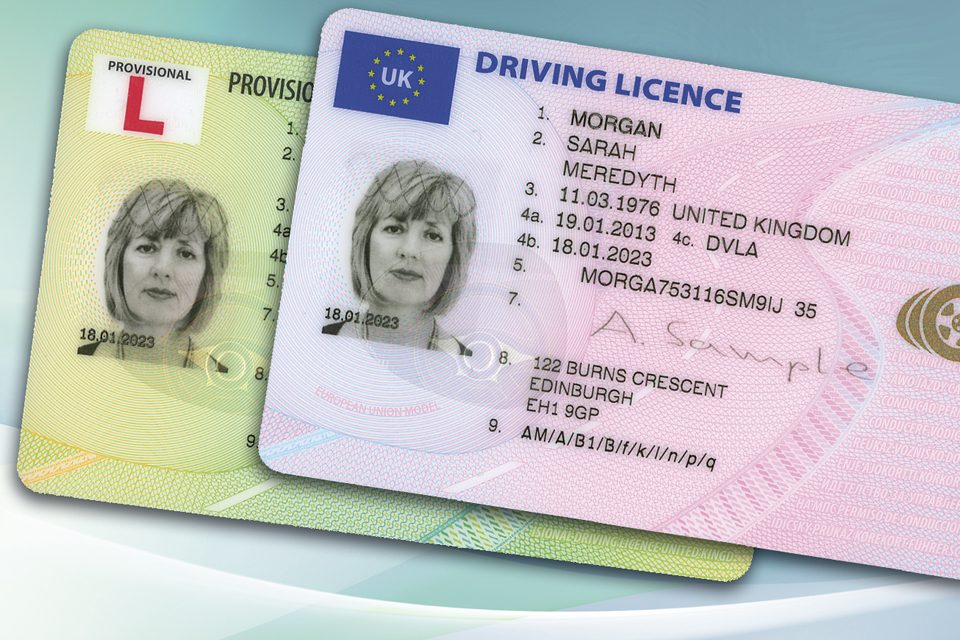
For individuals connected to the account, banks typically validate a government-issued photo identity document (for example a passport or photocard driving licence), and then confirm that the details match the application.
Verification may include authenticity checks and cross-checking details against internal and third-party data sources.
Banks may also verify whether the person is subject to sanctions restrictions by screening against the UK Sanctions List. This is a legal/risk control step that can occur even when the customer is otherwise straightforward.
Separately, some banks run credit-reference checks for business account onboarding (often on individuals, sometimes on the business). We explain how and why this happens in do banks run credit checks for business bank accounts?.
Proof of address: why it’s requested and what tends to fail
Proof of address is commonly used to link a person to a current residential address, which supports identity verification and fraud prevention. Banks usually look for documents that show a name and address and meet recency requirements (the “acceptable” list varies by bank).
Address checks can fail for practical reasons: recent house moves, inconsistent formatting (for example abbreviations or different spellings across records), or where bills are in someone else’s name.
These mismatches are a frequent cause of onboarding delays, and they can also contribute to declines. We cover the common decline pathways in why business bank account applications get rejected
Business verification: Companies House and core business records
For UK incorporated businesses, banks typically verify incorporation and current status using official registry data such as Companies House. This helps confirm that the entity exists, is active (or otherwise), and identifies directors and relevant filings.
For non-incorporated businesses (such as sole traders and some partnerships), the verification path can be different.
Banks may rely more heavily on identity/address verification plus evidence of trading, tax registration information, and consistency between the business name used and the person applying.
Our guide do I need a business bank account UK? explains how structure and use case influence what banks expect.
Ownership and control: beneficial owners, PSCs, and signatories
A major part of onboarding is confirming who ultimately owns or controls the business and who will operate the account.
For companies, banks typically cross-check “Persons with Significant Control” (PSC) information available via Companies House PSC records, and then request supporting documentation where ownership is layered or not clearly evidenced by public filings.
Where ownership chains are complex (for example corporate shareholders, trusts, overseas entities, or multiple layers), banks often request additional documentation to establish the beneficial owners.
This is one of the most common reasons onboarding takes longer than expected, and it’s also a frequent trigger for follow-up questions about the business model and expected payments.
Nature-of-business and “source of funds” style checks: what evidence may be asked for
Banks commonly ask for information that explains what the business does and what account activity will look like.
Depending on sector and profile, they may ask for evidence such as contracts, invoices, websites, supplier details, or platform statements. The point is to validate that activity is coherent and consistent with the stated model.
This is also where some applications are declined despite correct identity documents – particularly when the bank’s risk appetite doesn’t fit the sector, the business has no trading history, or the expected payment flows look unusual for the product chosen.
We cover these edge cases in can you be declined a business bank account with no trading history? and discusses how financial profile factors can be interpreted in does turnover or profitability matter for a business bank account?.
Summary Table
| Scenario | What the bank is checking | Practical impact |
|---|---|---|
| Limited company with simple ownership | Company existence + directors + PSCs via public records (often Companies House) | Usually fewer follow-ups if ownership and filings are clear |
| Company with layered ownership (corporates/trusts/overseas) | Beneficial ownership chain + controllers + supporting evidence | More documents and longer validation timelines are common |
| Sole trader using a trading name | Identity + address + evidence that trading name relates to the individual | More reliance on trading evidence where there’s no company registry record |
| Business with international customers/suppliers | Expected payment flows + counterparties + sanctions screening | More questions about jurisdictions, currencies, and transaction patterns |
| Regulated business activity | Permission status and regulatory checks (often via the FCA Register) | Extra verification to ensure the firm’s permissions align to activity |
Common document types banks validate (and what each is meant to confirm)
| Document / data item | What it helps confirm | Where banks often cross-check |
|---|---|---|
| Photo ID (passport/driving licence) | Individual identity | Document validity checks + internal/third-party verification tools |
| Proof of address | Link between individual and address | Address databases + consistency across records |
| Companies House record / filings | Entity existence, directors, status | Companies House registry data |
| PSC / ownership information | Beneficial owners and controllers | PSC records + supporting ownership documents |
| Partnership agreement / LLP details | Who can bind the business | Entity documents + signatory authority |
| Invoices, contracts, website, platform statements | Nature of business and trading reality | Consistency checks against declared activity |
| Sanctions screening | Legal/risk restrictions | UK Sanctions List screening |
| Regulatory permissions (if relevant) | Whether a firm is authorised for certain activities | FCA Register verification |
Compare Business Bank Accounts
Document checks can vary by provider type (bank vs non-bank), onboarding model (branch vs digital), and the product’s intended use.
When comparing providers, it can help to compare not only pricing and features but also the onboarding expectations and evidence requests that commonly appear.
Our Business Bank Accounts hub pulls together account options and provider overviews, while our reviews such as Starling review and Tide review provide context on how accounts operate day-to-day.
Frequently Asked Questions
Yes.
- For limited companies, banks can validate a large part of “does this business exist and who runs it?” via public records like Companies House. That usually means the company’s registered details, directors, and PSC information are part of the verification trail.
- For sole traders, there isn’t an equivalent incorporation record. Banks therefore tend to lean more on the individual’s identity and address checks, plus evidence that the business activity and trading name are genuine and consistent with the application.
Banks are required to understand who ultimately owns or controls a business. For companies, PSC information helps identify people who have significant influence or ownership, and banks may request extra documentation where the ownership structure is layered or unclear.
This is not purely a “paperwork” step. Ownership clarity affects risk assessment, account access rights, and how banks comply with customer due diligence expectations described in industry frameworks like the JMLSG guidance.
For UK incorporated entities, banks commonly validate the company’s existence and current status using Companies House records.
This can include checking the registered name, company number, directors, and PSC data, as well as whether the company is active.
If Companies House data is inconsistent with the application (for example, different director details or unclear ownership), banks may request clarifications or supporting documentation before opening the account.
Banks commonly screen customers and connected persons against sanctions restrictions. This typically includes checking against the UK Sanctions List, and it can apply to directors, beneficial owners, and sometimes key connected parties depending on the bank’s processes.
Sanctions screening is usually a background process. When a match is possible (including false positives due to similar names), additional verification steps may be required to resolve it, which can slow onboarding.
Banks often ask for expected turnover and account usage to understand whether the account activity will match the business profile.
This can be part of the broader “nature of business” and risk assessment checks, especially where the business expects high volumes, international payments, or unusually large transactions.
A lack of trading history can trigger more questions, particularly for newly formed companies or pre-trading businesses.
We cover the typical outcomes in can you be declined a business bank account with no trading history? and the broader financial profile discussion in does turnover or profitability matter?.
“Evidence of trading” generally means documents or data that show the business is carrying out (or credibly preparing to carry out) its stated activity. That can include invoices, contracts, purchase orders, platform statements, supplier agreements, or an operating website that matches the declared model.
Banks use this evidence to confirm that expected payment flows make sense and to reduce the risk of misuse. It’s commonly requested where the business is new, the sector is higher risk, or the stated activity doesn’t clearly align with typical account behaviour.
Delays often happen when verification results don’t match cleanly across systems: name or address formatting differences, unclear ownership structures, or additional checks triggered by the business sector or expected transaction pattern.
Banks may also request more information after an initial review if they need to clarify beneficial ownership or validate the business model more deeply. We explain these process triggers in why business bank account applications get delayed.
Rejections can occur when identity/address verification cannot be completed, when ownership and control cannot be established to the bank’s satisfaction, or when the business model does not align with the bank’s risk appetite for that product.
It can also be driven by internal policy limits (for example certain sectors or jurisdictions), even where documents are genuine. We breaks down common decline pathways in why applications get rejected.
If the business operates in a regulated area, banks may verify permissions on the FCA Financial Services Register to confirm the firm’s status and permissions align with what the business says it does.
This tends to matter where the nature of the business suggests regulated activity (or close adjacency), because the bank will want to understand the compliance context and whether certain payment flows or customer types are expected.
Timelines vary widely by bank, onboarding method, business structure, and how quickly verification completes. Simple, low-complexity profiles can be processed quickly, while layered ownership, higher-risk sectors, and international aspects often extend timelines due to additional checks.
Our guide how long does it take to open a business bank account? explains the typical steps that influence timing, including where verification commonly slows down.
The “documents” question is really a verification question. Banks use documents as evidence, but the underlying objective is to connect three things without gaps: a real person, a real legal entity, and a coherent business activity pattern.
Most friction happens when one of those links is weak: unclear beneficial ownership, inconsistent identity/address records, or activity that doesn’t match the declared model.
That’s also why requirements feel inconsistent across banks. It’s not just preference; it’s the interaction of each bank’s risk appetite, onboarding tooling, and how they interpret customer due diligence expectations framed by sources like the JMLSG guidance.
Sources & References
Industry framework on customer due diligence and verification: JMLSG guidance
Official UK company registry used to verify incorporated entities: Companies House
PSC and company information lookup service: Find and update company information
Regulatory status and permissions checks (where relevant): FCA Financial Services Register
UK sanctions screening reference list: UK Sanctions List
Related Content