By: Money Navigator Research Team
Last Reviewed: 01/02/2026
 FACT CHECKED
Quick Summary
A Tap to Pay on iPhone “decline” with Tide usually means the cardholder’s bank (or their wallet provider/issuer) did not approve the authorisation, or the transaction could not be completed due to limits or technical conditions (most commonly connectivity).
The fastest way to narrow it down is to separate payer/issuer reasons (funds, authentication, issuer risk controls) from merchant/device reasons (connectivity, eligibility, processing rules, limits).
This article is educational and not financial advice.
What a “decline” means in Tap to Pay on iPhone
In card payments, the first critical step is authorisation: the customer’s bank (issuer) decides whether to approve the transaction. If the issuer refuses the authorisation, the payment is declined and there is no successful sale to settle later.
Tap to Pay on iPhone adds two practical wrinkles that affect declines:
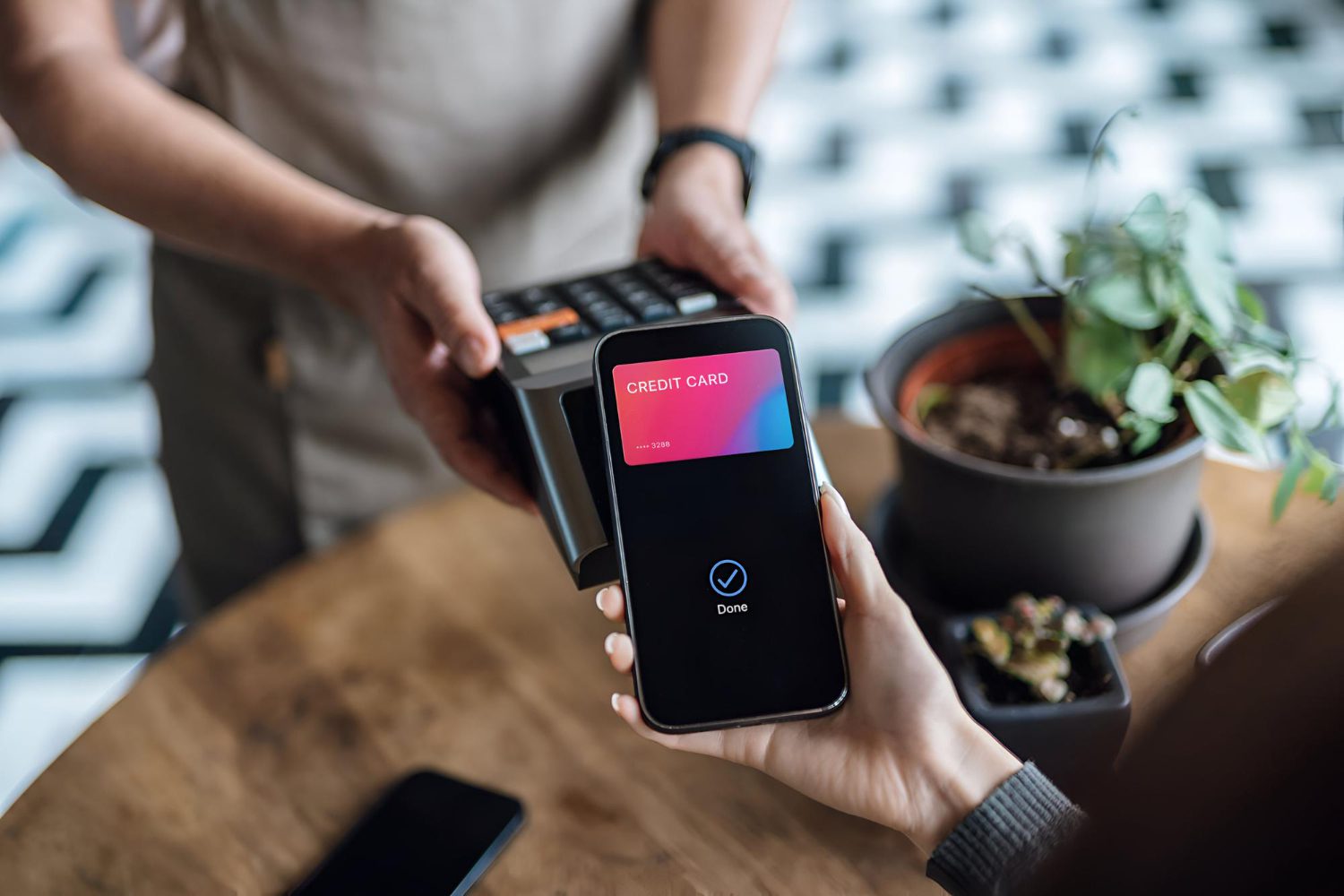
The “card read” moment is not the final decision. Tide notes that after the “Done” tick, the transaction is still “being processed”, which is where an issuer refusal (or a technical failure) can surface. See Tide’s flow explanation in How can I accept payments with Tap to Pay on iPhone?
Connectivity is not optional for Tide’s implementation. Tide states Tap to Pay on iPhone transactions “cannot be processed offline”, so weak signal or temporary network issues can produce failures that look like declines. How can I accept payments with Tap to Pay on iPhone?
Who can cause a decline (and why that matters)
A useful mental model is a simple chain:
Customer’s card/wallet > card network rules > issuer decision > merchant processing > Tide reporting
A decline can occur because:
Issuer-side refusal: insufficient funds, authentication required, bank risk controls, card status (blocked/expired), or issuer policy.
Scheme/rules thresholds: contactless and authentication rules can trigger a refusal or require a different method (e.g., chip & PIN).
Technical conditions: network connection, device issues, or an inability to complete the authorisation request.
Product constraints: availability/eligibility, supported payment types, or processor rules.
Tide’s own decline explainer highlights issuer-side causes (like insufficient funds) and technical issues contacting the bank as common reasons. Why was my Tap to Pay on iPhone payment declined and what happens next?
The fastest “what to check first” approach
1) Separate “issuer decline” from “couldn’t complete processing”
If the message indicates the customer’s bank refused the payment, the root cause typically sits with the payer’s issuer or their wallet authentication flow. If it looks like a processing failure, connectivity is the first high-probability check for Tide because offline processing isn’t supported. How can I accept payments with Tap to Pay on iPhone?
2) Check whether a limit/authentication threshold was hit
Two common limit-related triggers are:
Single-transaction contactless thresholds (which may vary by issuer and can change over time).
PIN/authentication requirements for higher values or cumulative contactless usage.
Tide confirms there are transaction limits for Tap to Pay on iPhone with Tide and provides guidance on how PIN entry works and when it may apply. What are the transaction limits for Tap to Pay on iPhone with Tide? and Will Tap to Pay on iPhone require your customers to enter their PIN?
3) Check whether the payment method is supported in the moment
If Tap to Pay prompts “Try a different card”, Apple notes this can indicate the payment service provider may not support that card type or method for Tap to Pay. This is not the same as “the customer has no funds”; it can be a compatibility constraint. Tap to Pay on iPhone FAQ
Common decline causes (grouped by “where it fails”)
Issuer / payer-side causes (most common)
Insufficient available funds or internal issuer restrictions.
Authentication required (PIN or other strong customer authentication step).
Card status issues (expired, frozen, blocked).
Issuer risk controls flagging the transaction as higher risk.
Tide’s decline explainer explicitly includes insufficient funds and technical contact issues with the bank among the common reasons. Why was my Tap to Pay on iPhone payment declined and what happens next?
If the amount is high, the issuer may require a different method of verification. Tide explains that PIN entry can apply for higher value payments and notes that some issuers may still have constraints even when PIN is entered. Will Tap to Pay on iPhone require your customers to enter their PIN?
Separately, the UK’s regulatory approach to contactless thresholds is evolving. The FCA has confirmed rule changes taking effect in March 2026 that give firms greater flexibility around contactless limits, meaning real-world issuer limits can vary rather than behaving like a single universal number. Greater flexibility to be given for setting future contactless limits
Connectivity and device conditions (high frequency for “it was fine yesterday” issues)
Because Tide states Tap to Pay on iPhone transactions cannot be processed offline, weak signal, captive portals, or momentary data dropouts can cause a failed authorisation attempt that appears as a decline. How can I accept payments with Tap to Pay on iPhone?
Card type / support constraints
Apple notes that “Try a Different Card” can mean the PSP may not support that card type for Tap to Pay on iPhone. That category of failure is distinct from a typical issuer decline. Tap to Pay on iPhone FAQ
Summary Table
| Scenario | Outcome | Practical impact |
|---|---|---|
| Customer has insufficient available funds | Issuer refuses authorisation | No completed sale; usually no settlement entry beyond a declined attempt |
| High-value transaction triggers extra authentication | Decline or request to use a different verification method | Sale may succeed via an alternative method; results can differ by issuer and wallet |
| Intermittent mobile data / Wi-Fi drop | Authorisation cannot be completed | Often appears as a decline; reliability depends on connectivity because offline processing isn’t supported for Tide |
| Customer taps a card type the PSP doesn’t support | “Try a different card” / unsuccessful attempt | Switching to another card/device may change the outcome even if funds are available |
| Customer sees “Done” then the payment fails | Card read completes but processing fails | Merchant sees a completed “read” but not a completed sale; reconcile against settlements rather than the tap moment |
Scenario Table
| Scenario-level | Process-level | Outcome-level |
|---|---|---|
| “Declined” immediately at the end of the tap | Issuer decision refused at authorisation | No authorised transaction exists to settle later |
| “Done” tick appears, then fails | Card read completes; authorisation attempt still in-flight | A “completed read” is not the same as an approved payment |
| Larger amount / repeated contactless usage | Authentication thresholds differ by issuer and method | A card may be declined while a wallet succeeds (or vice versa) depending on issuer controls |
| Patchy signal at point of sale | Tide states offline processing isn’t supported | Any network interruption can prevent authorisation completion |
| “Try a Different Card” message | Apple indicates potential PSP support limitation | The failure can be compatibility-related rather than “no funds” |
Tide Business Bank Account
Tide offers business account options and payment tools that can be combined, but they operate under different rails and constraints (for example, card authorisations are still driven by issuer decisions and network rules).
For a neutral overview of Tide’s business account positioning and costs, see our Tide business banking review.
Frequently Asked Questions
A decline means the authorisation was not approved, so there is no successful card transaction to settle to the merchant later. In practical terms, it’s a “no” at the authorisation stage, not a delayed “yes”.
However, a customer may still see a temporary “shadow” entry depending on their bank’s app behaviour. That kind of entry is typically a bank-side presentation issue rather than a completed merchant transaction, and it can disappear once the issuer finalises status.
Tide states that Tap to Pay on iPhone transactions cannot be processed offline in the Tide app flow. That means the authorisation request needs working connectivity at the time of sale, and a network drop can be enough to prevent completion. How can I accept payments with Tap to Pay on iPhone?
Apple’s Tap to Pay documentation discusses concepts like Store and Forward in some contexts, but availability depends on the payment service provider and configuration. For Tide merchants, the relevant operational assumption is Tide’s published position: offline processing is not supported in this flow.
PIN prompts depend on issuer rules, card type, and the method used (plastic card vs wallet), as well as thresholds triggered by transaction size or cumulative contactless activity.
Tide explains that Tap to Pay on iPhone can support PIN entry in certain cases, but also notes that some issuers may still have limitations even when PIN is entered. Will Tap to Pay on iPhone require your customers to enter their PIN?
A second driver is how the issuer treats the customer’s wallet. Some wallets can change the authentication profile (for example, device-based authentication), which can produce different outcomes versus the same card used as a physical tap.
At product level, Tide publishes Tap to Pay on iPhone transaction limits and how they apply, which can affect whether a payment attempt is accepted at all. What are the transaction limits for Tap to Pay on iPhone with Tide?
Separately, UK contactless thresholds are not a permanent constant. The FCA has confirmed rule changes taking effect in March 2026 that give firms greater flexibility around contactless limits.
In practice, that means merchants may increasingly see issuer-by-issuer differences rather than one universal “UK limit”. Greater flexibility to be given for setting future contactless limits
A wallet payment can be treated differently by the issuer because the authentication method differs (for example, a device-based step rather than a tap-only exemption). That can change issuer risk scoring and which thresholds apply.
Equally, a wallet can fail while a physical card succeeds if the wallet token, device configuration, or issuer settings for wallet transactions cause restrictions. The key point is that “same bank, same customer” does not always mean “same authorisation pathway”.
Apple indicates that this message can mean the payment service provider may not support that card type for Tap to Pay on iPhone, which is different from an issuer refusal due to funds or fraud controls. Tap to Pay on iPhone FAQ
Because it’s a compatibility-type signal, the practical implication is that a different card or payment method can succeed even when the first card would never work in that Tap to Pay configuration.
Some banks show temporary entries for attempted authorisations, even when the final outcome is a decline. Whether the customer sees that, and how long it persists, depends on issuer systems and how they present card activity in-app.
From the merchant side, the operational test is whether the transaction shows as authorised/settled in the merchant’s reporting, rather than whether the customer saw a momentary entry. That’s why settlement reporting becomes the anchor for reconciliation.
Tide notes that Tap to Pay on iPhone transactions can be viewed in-app via Sales and the Settlements area, but settlements reflect completed processing and payout timing rather than the “tap moment”. How can I accept payments with Tap to Pay on iPhone?
A declined attempt may be visible as an attempt/record depending on the reporting view, but it will not behave like a successful sale in settlement terms. The operationally important distinction is: authorised and settled versus attempted and declined.
Declines are most often payer/issuer driven, but broader account or processing restrictions can affect payment operations in general.
When payment operations are constrained, it can look like “customers are being declined” when the real issue is that processing or payouts are impacted upstream or downstream of the authorisation step.
For background on how payment restrictions and processor holds can affect business operations, see Bank restriction triggers: processor holds, reserves and payout delays and Tide account under review stages, timelines and typical outcomes
Operationally, the highest-value details are: time and date, amount, whether it was a physical card or a wallet, whether a PIN prompt appeared, and what the on-screen message said (e.g., generic decline vs “try a different card”). This helps distinguish issuer refusal, authentication thresholds, and compatibility constraints.
It can also help to note environmental conditions at the point of sale (signal strength, Wi-Fi vs mobile data) because Tide’s published flow does not support offline processing. That makes connectivity a meaningful variable when a pattern of “sudden declines” appears. How can I accept payments with Tap to Pay on iPhone?
Tap to Pay on iPhone declines often feel inconsistent because the decision is not made by one party. The authorisation outcome reflects a layered control stack: issuer risk models, scheme rules (including how contactless exemptions interact with authentication), wallet vs physical card profiles, and the merchant’s ability to complete a real-time authorisation request.
The direction of travel in the UK also points towards greater variability. With the FCA moving to a more flexible, risk-based approach for contactless limits from March 2026, merchants may see fewer “one-size-fits-all” thresholds and more issuer-specific behaviour.
That makes a structured “first checks” approach (issuer vs technical vs limits vs support constraints) more reliable than assuming a single universal cause. Greater flexibility to be given for setting future contactless limits
Related Content